Agriculture, Blue bioeconomy, Forestry
RootLinks engages producers and representatives from agriculture, forestry, and the blue bioeconomy through dedicated Sectoral Groups. These Groups address the specific needs and challenges of each sector while contributing to a shared Action Plan, ensuring that solutions are practical, inclusive, and rooted in real producer experience.
The primary sectors lie at the roots of our society.
RootLinks is contributing to its shift towards circular bioeconomy in Europe.
AGRICULTURE

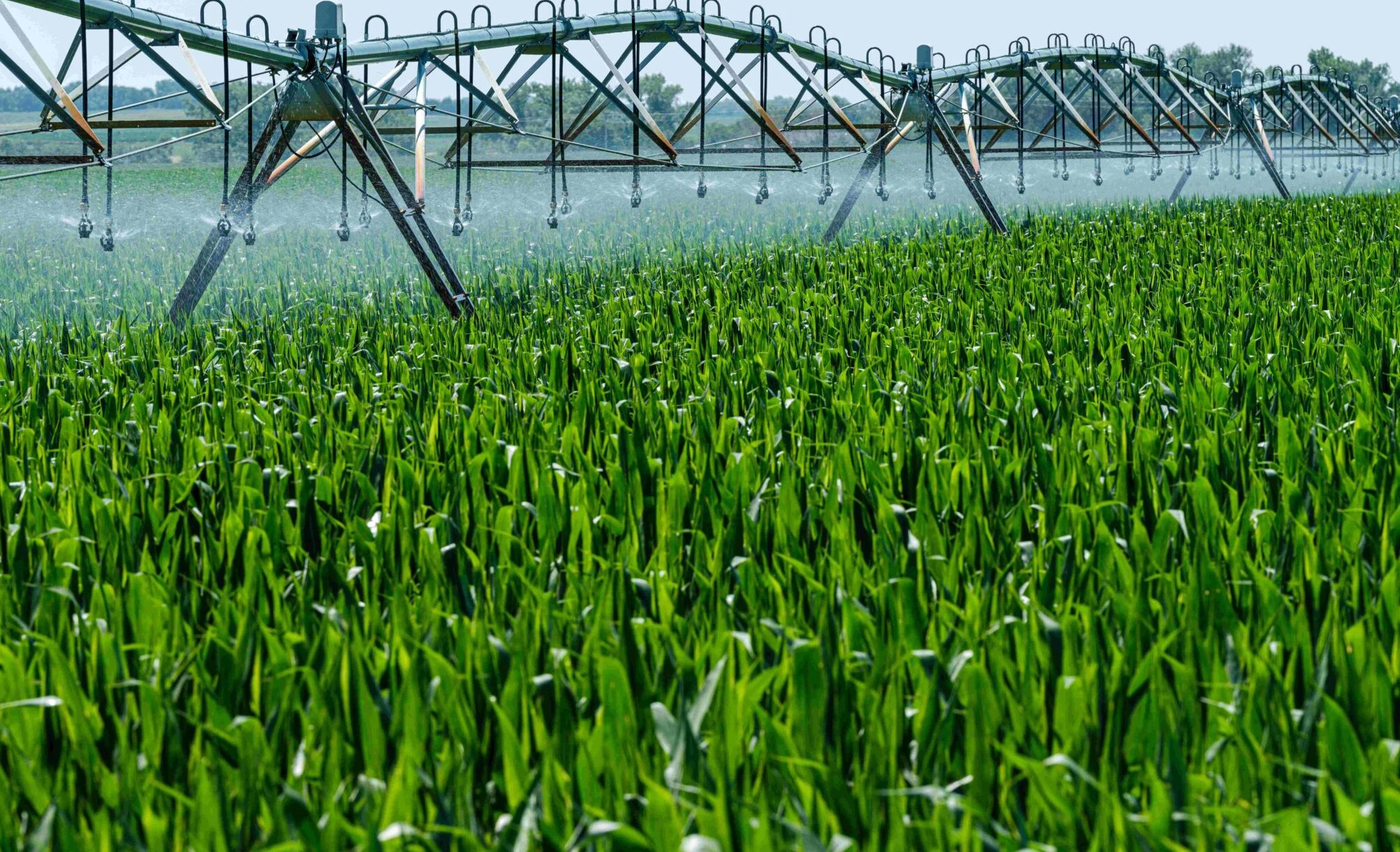
Around 55% of the Earth’s land is used for agriculture, making sustainable practices vital for both the environment and society.
Beyond food production, agriculture plays a crucial role in the bioeconomy by supplying biomass for bio-based products such as bioplastics, biofertilizers, and bioenergy.
In RootLinks, agricultural actors are called Agrimakers: stakeholders such as farmers, cooperatives, producer organisations, agri-food SMEs, and rural advisors. Together, they co-develop strategies to increase innovation uptake and sustainability in circular bio-based value chains.
FORESTRY

Forests cover up to 45% of Europe’s landmass, with most managed by private owners.
Forest owners with other forestry actors play a key role in forest management. Their work ensures the supply of forest products while maintaining the ecological balance of forests. Europe’s diverse forest landscapes drive varied forestry practices—from timber and non-timber product harvesting to maintenance, restoration, and wildfire prevention. In many regions, forestry is vital to rural livelihoods and circular bioeconomy.
In RootLinks Foresters include actors such as forest owners, loggers, arborists, engineers, researchers and educators. The project supports them by promoting awareness, cooperation, and capacity building, helping them engage in innovative, sustainable bio-based value chains.
BLUE BIOECONOMY

The blue bioeconomy covers marine activities, related industries, and supporting fields.
Marine-based activities include e.g. fisheries, aquaculture, shipping, tourism, offshore energy. Marine-related industries are, for instance, seafood processing, shipbuilding, port services, and supporting fields are research, education, and public services such as marine environmental protection and defence.
Within RootLinks project, key members connected with the blue bioeconomy are called Aquanauts. This group includes producers such as fishers, aquaculture and algae farmers. Their work spans from open-sea vessels to coastal farms, supporting food production, trade, local jobs, and innovation through the use of sustainable aquatic resources.
Aquanauts also collaborate through the Collaboration Forum on BlueBioMatch. Find out more here.