The Scottish Agricultural Organisation Society (SAOS) is looking for researchers, technology providers, industry partners and organisations with circular bioeconomy experience to help unlock higher-value uses for whey permeate, barley dust, cattle slurry and mushroom residues.
Turning agricultural and food processing by-products into value is one of the most direct ways primary producers can benefit from the circular bioeconomy. The Scottish Agricultural Organisation Society (SAOS) is looking for expertise, contacts and potential partners to find higher-value uses for four by-product streams from Scottish co-operatives and SMEs.
SAOS is exploring these opportunities through its C2 Network, which supports Scottish co-operatives in turning waste streams into value. The first goal is to gather knowledge and identify promising solutions. In the longer term, the opportunities could lead to joint R&D projects, demonstration activities or funding applications with European partners.
The four opportunites are:
- Lactose-rich Whey Permeate. A dairy co-operative produces around 15,500 tonnes of whey permeate solids a year from cheese-making. The liquid stream is about 10–12% solids, and around 80% of the solids are lactose. Part of it goes to on-site anaerobic digestion, but capacity is limited, so the rest has to be disposed of at a cost. Areas of interest include fermentation and industrial biotechnology, bioethanol and bio-based chemicals, organic acids such as lactic and succinic acid, precision fermentation feedstocks, single-cell protein, food and feed ingredients, and fractionation technologies.
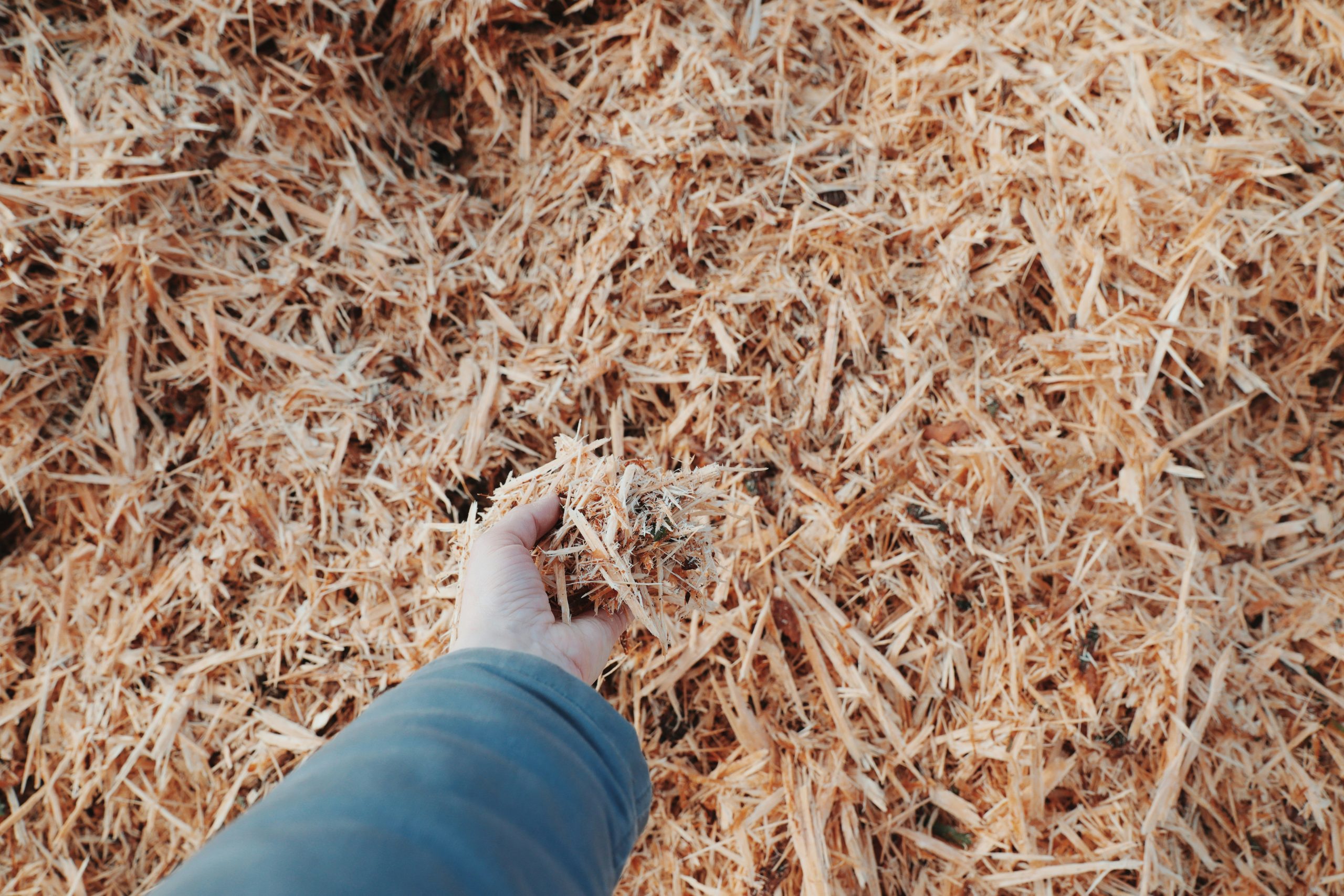
- Barley dust. A grain processing co-operative generates barley dust during grain intake, drying and screening, mostly at harvest. The material varies in moisture and can contain stones and other impurities. Combustion, composting and vermicomposting have already been tried. The aim now is a higher-value solution, for example in feed, biomaterials, soil improvers, bioenergy, or technologies that can handle mixed agricultural residues.
- Drying technologies for cattle slurry to extract nutrients to produce fertiliser. This opportunity is driven by the dairy sector in the south of Scotland. A few research-stage technologies have been assessed, but none has reached commercial scale. SAOS would like to learn what has been developed in other countries, and local enterprises are open to forming a consortium.
- Mushroom stalks and “liquor”. A food and drink SME producing canned mushrooms generates two by-products. One is the fibrous ends trimmed from shiitake stalks, which are undamaged but not used in the final product. The other is mushroom liquor, the liquid released when the mushrooms are steamed.
SAOS is now inviting researchers, technology providers, businesses and other organisations to share what they know. Useful input ranges from commercial applications and case studies to pilot projects, research findings and funding opportunities from across Europe. Organisations interested in teaming up on future projects are especially encouraged to get in touch.
If you have relevant experience, contacts or ideas, please get in touch with Patricia Rojas (Patricia.Rojas@saos.coop) or Claire Ferguson (Claire.Ferguson@saos.coop).
Featured photo by Gary Ellis on Unsplash