Around 130 participants from the farming, forestry, fisheries and aquaculture communities joined RootLinks, CBE JU and ReFarm at the Global Bioeconomy Summit 2026 in Dublin. They shared practices, lessons and recommendations on how primary producers can become real partners in circular bio-based value chains.
What does it take for a farmer, forester or fisher to become a real partner in the bioeconomy, rather than just a supplier of biomass? On 20 October 2026, around 130 people came to The Convention Centre Dublin to answer that question together.
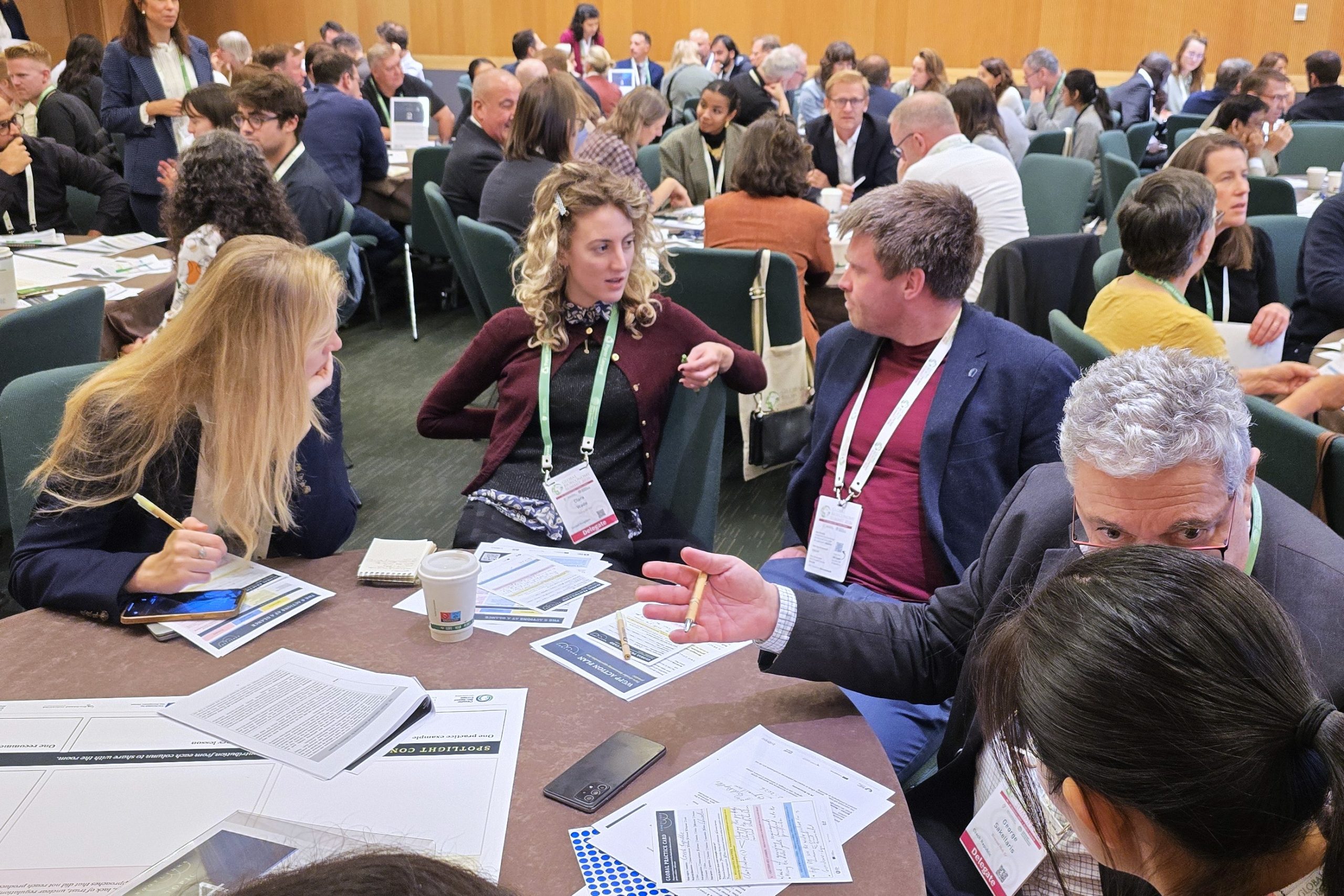
The workshop “Empowering Primary Producers: Creating Value through Circular Bio-based Value Chains and Nature-Positive Systems” was organised by the Circular Bio-based Europe Joint Undertaking (CBE JU), RootLinks and ReFarm at the Global Bioeconomy Summit 2026. It brought together a truly global audience: primary producers, advisors, researchers, industry, policymakers and civil society ffrom across Europe and as far afield as Brazil, Costa Rica, Ecuador, Uganda and the United States. Agriculture, forestry, fisheries and aquaculture were all represented.
Nicoló Giacomuzzi-Moore (CBE JU), Orsolya Frizon-Somogyi (European Commission, DG AGRI) and Philippe Mengal (BIC) opened the session with a shared message: primary producers belong at the centre of the bioeconomy, as business partners in innovation and value chains. Two initiatives then showed what this looks like in practice. John Brosnan, Chair of the CBE JU Working Group on Primary Producers (WGPP), presented the WGPP Action Plan. Martha O’Hagan presented ReFarm, an Irish example of private finance supporting nature-positive farming.
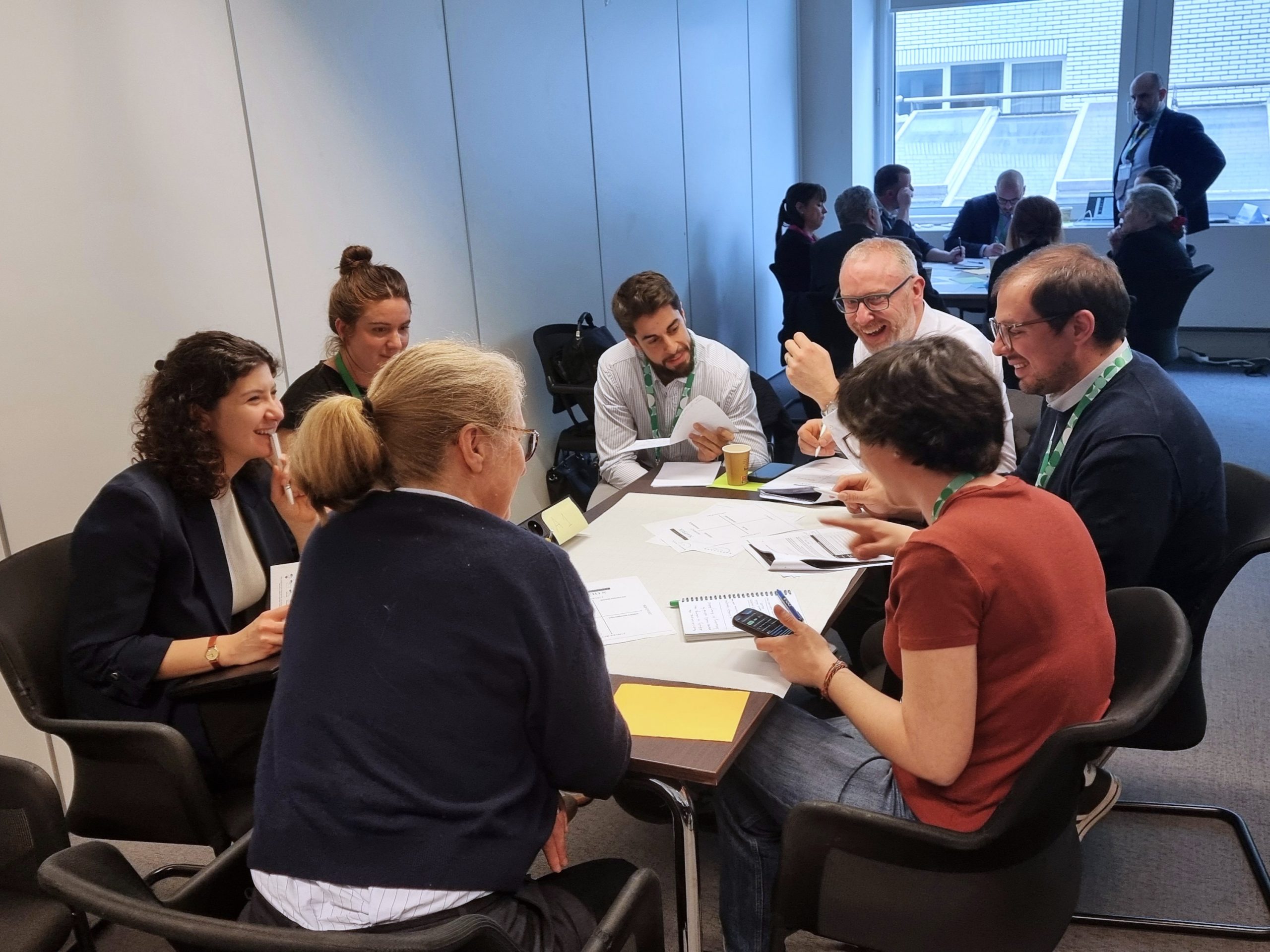
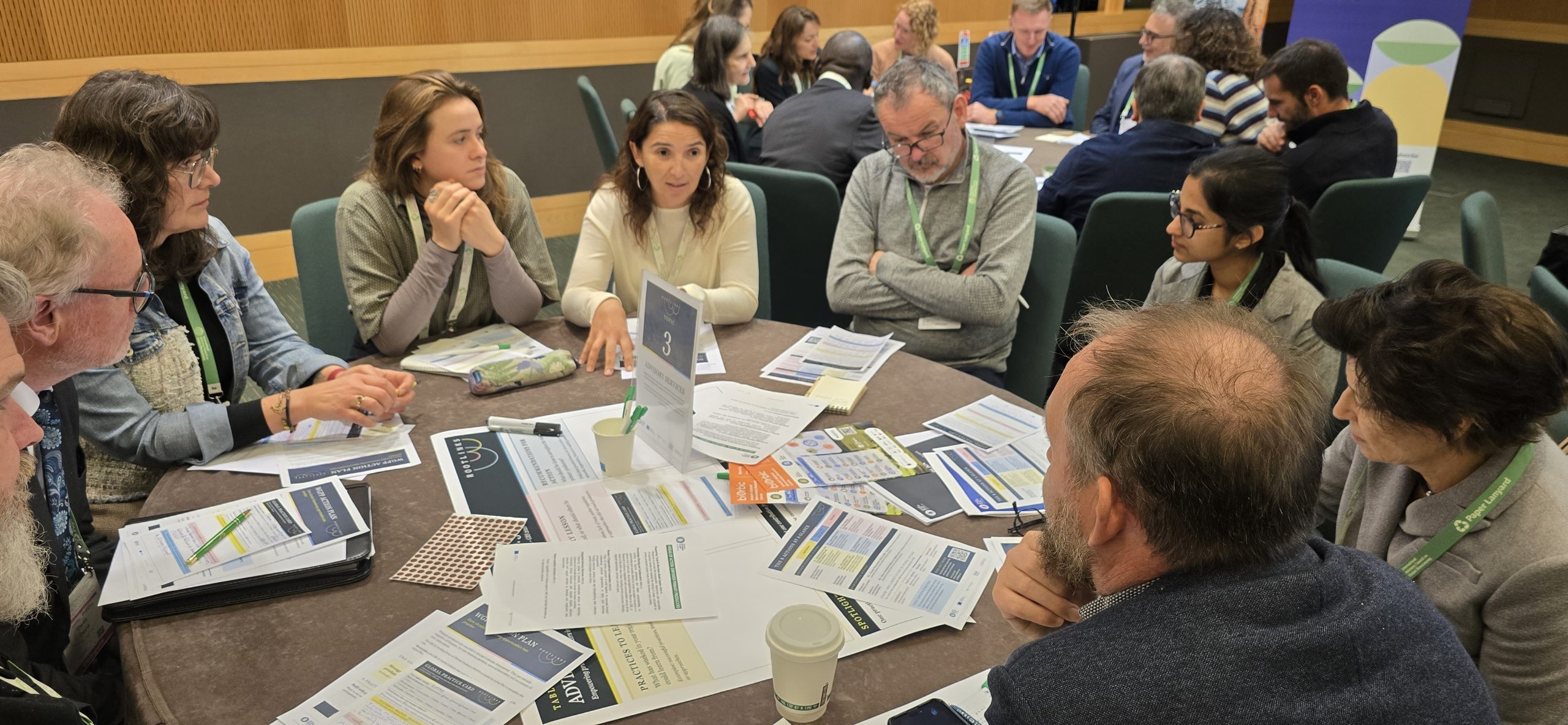
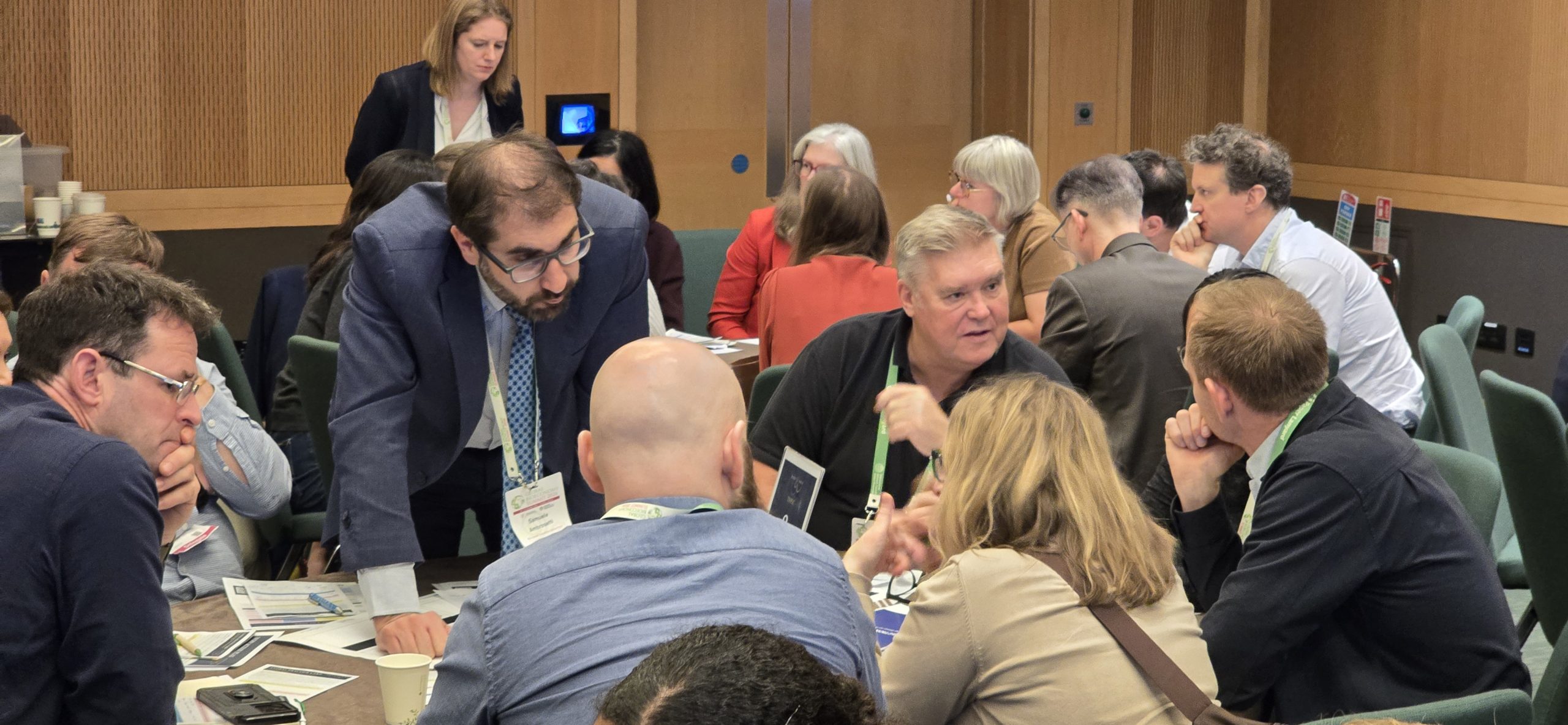
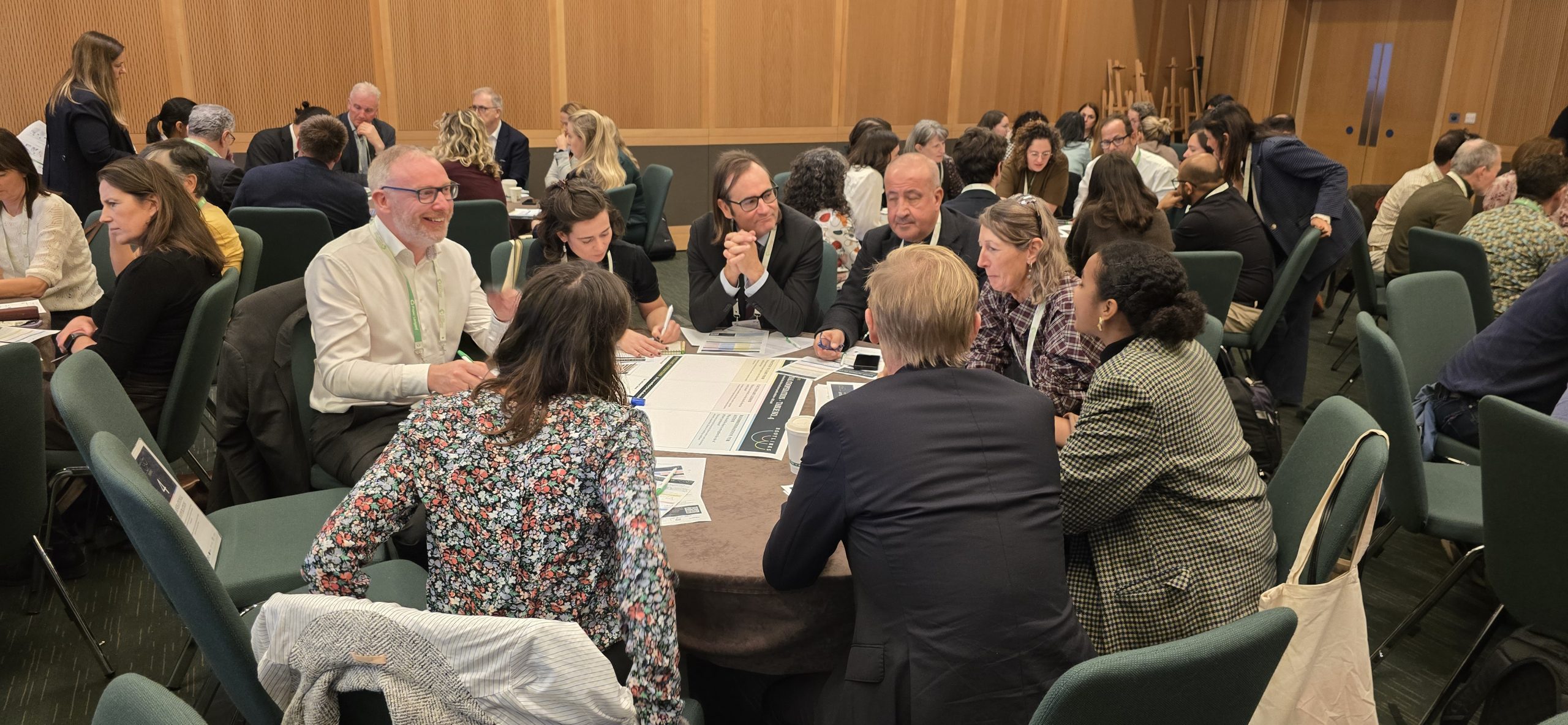
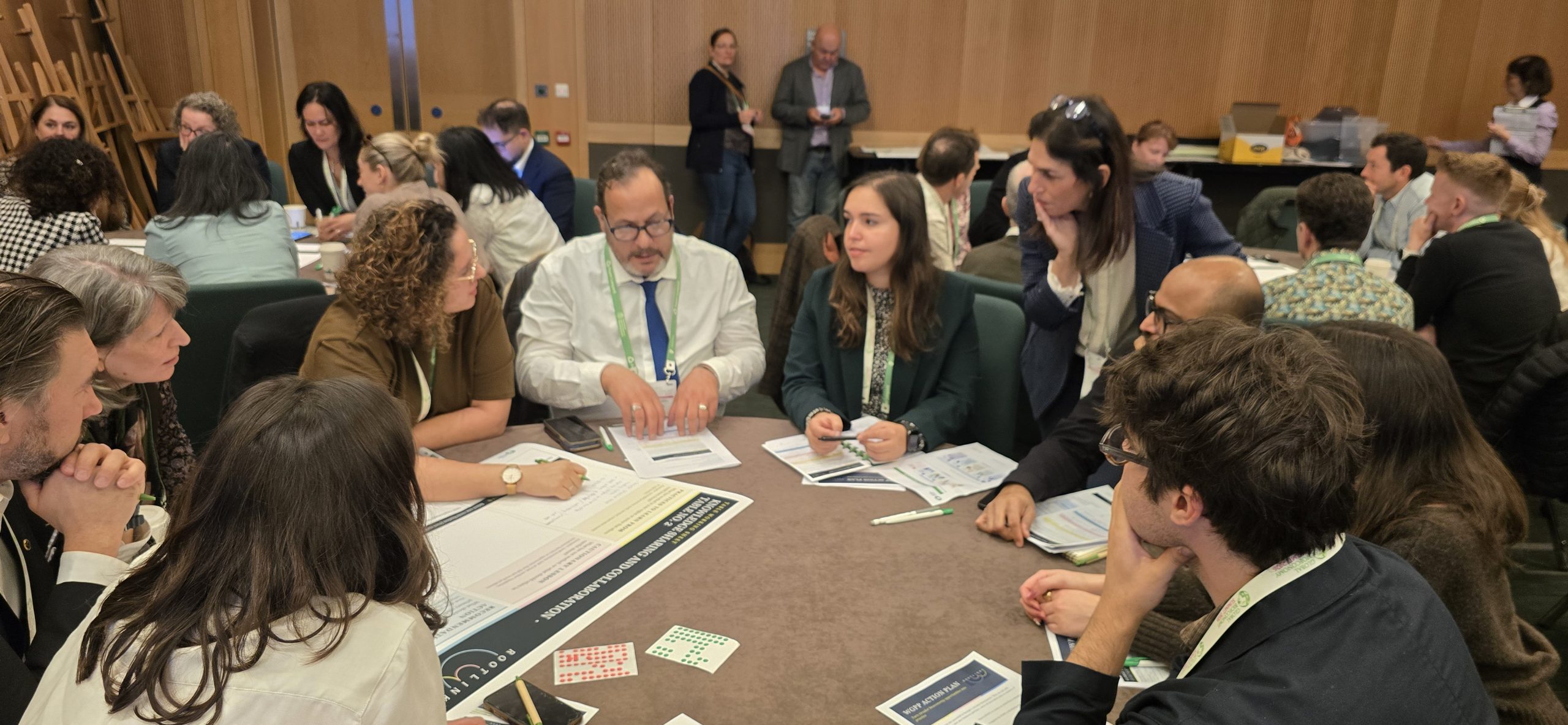
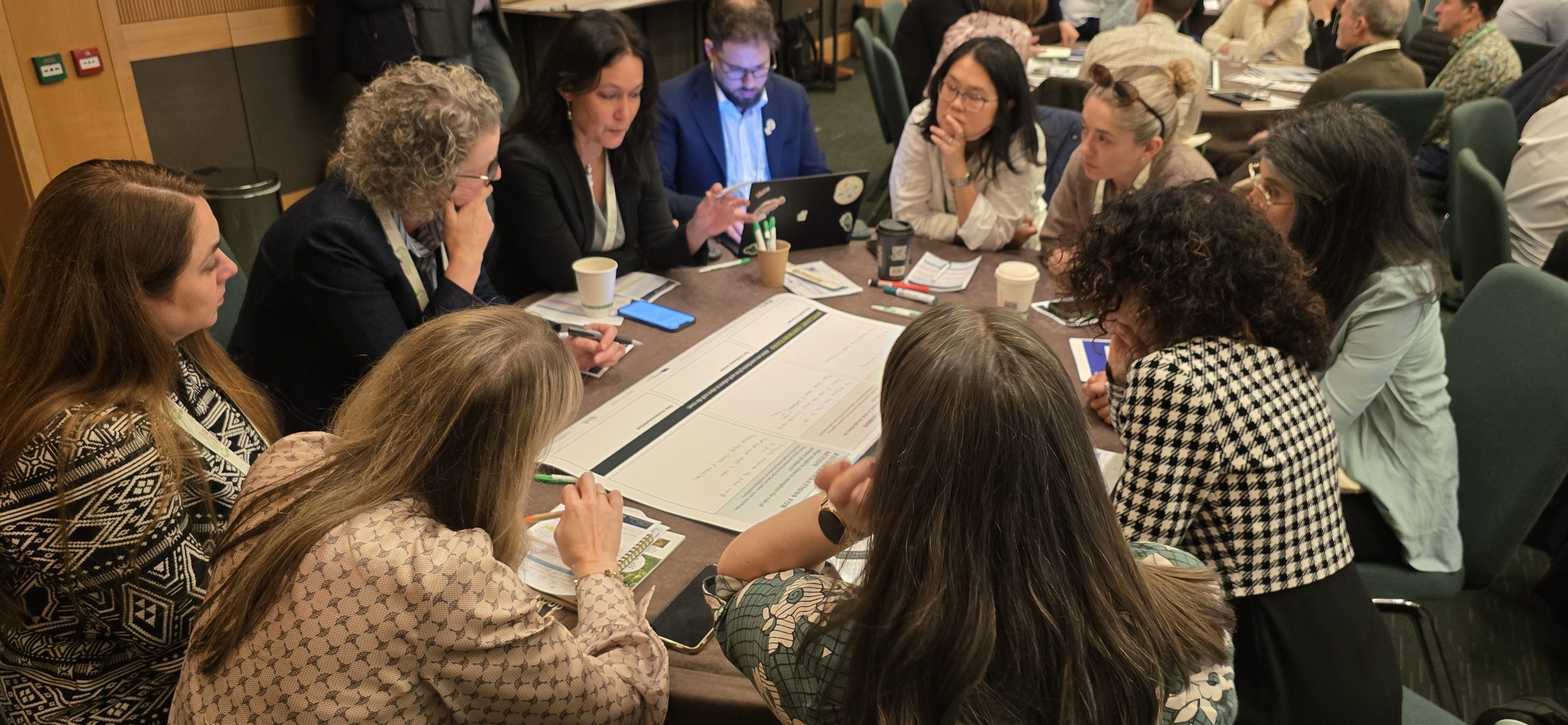
After that, the floor belonged to the participants. Moderated by RootLinks Coordinator Martin Behrens, farmers, foresters, fishers, advisors, researchers, industry and policymakers shared what had worked for them, what had not, and what they would recommend to others. Their experiences, gathered on practice cards and discussed at ten thematic tables, produced a clear message. The bioeconomy works for producers when it starts from their needs, brings them real economic benefits and treats them as equal partners.
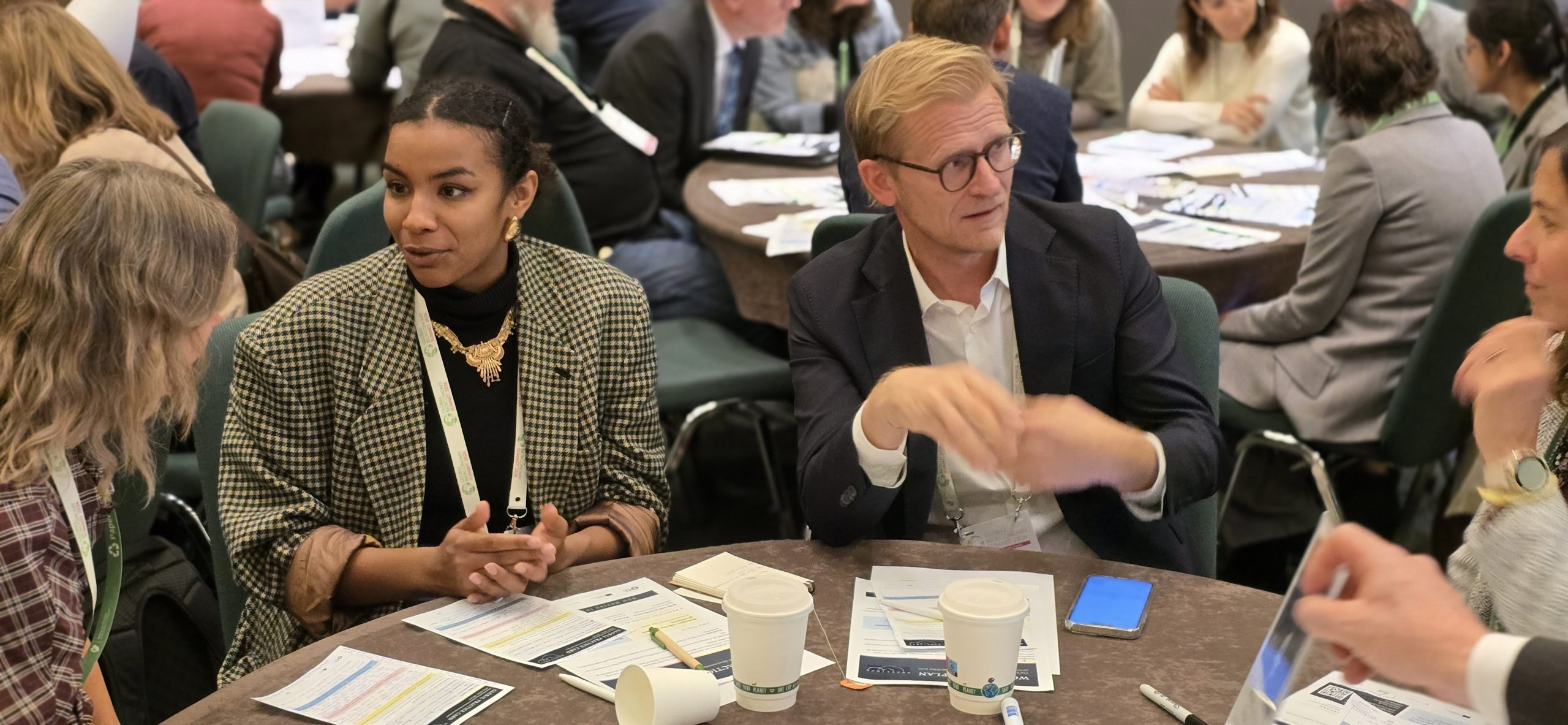
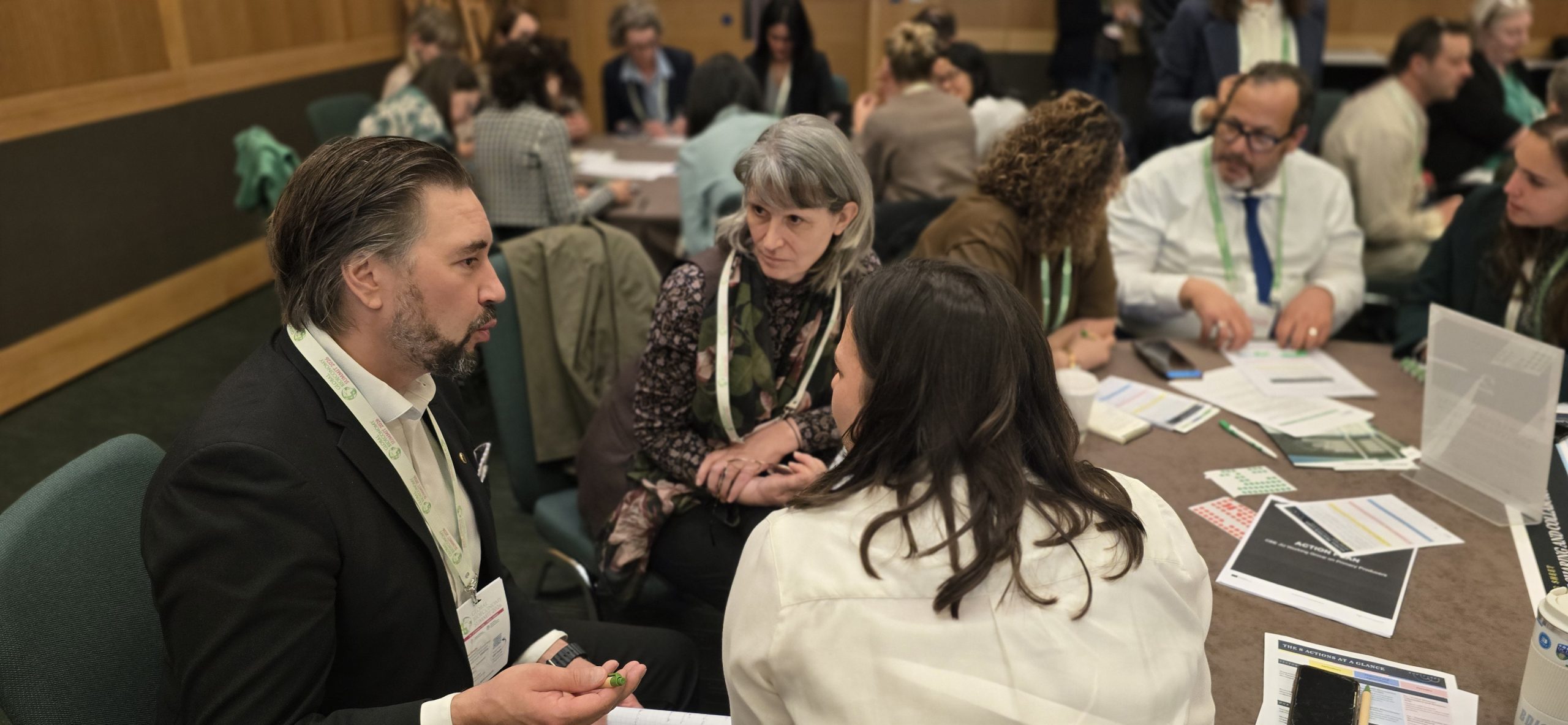
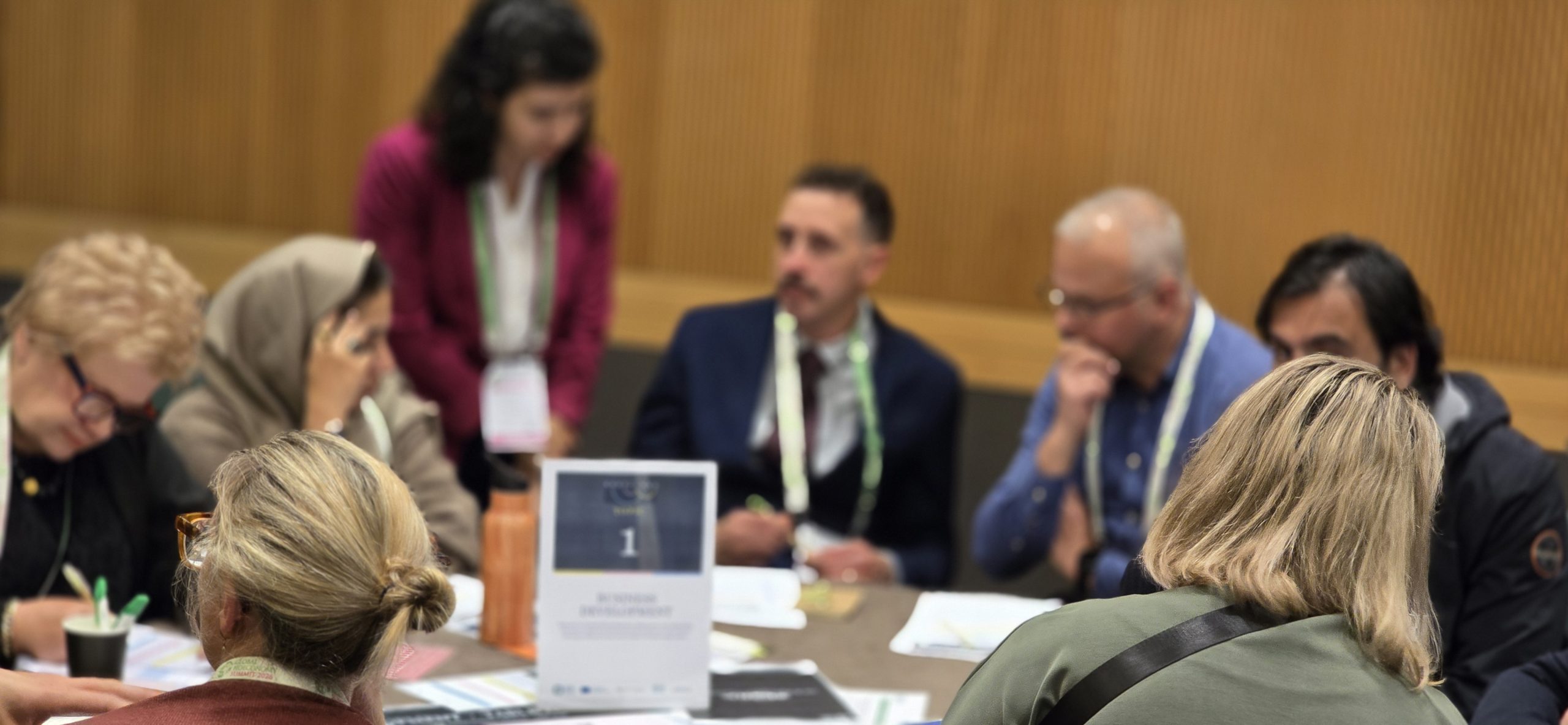
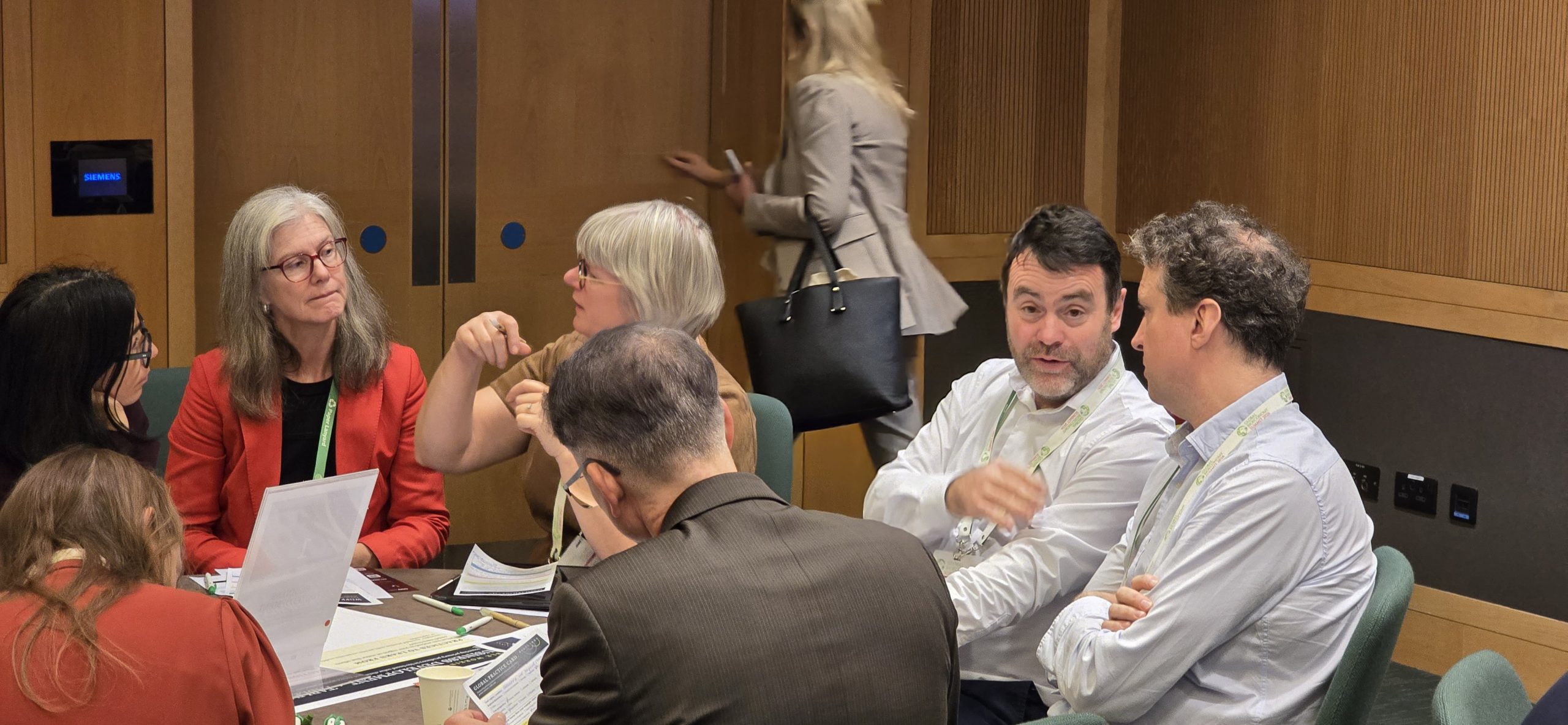
The full results are summarised in our key takeaways document. It covers the key messages, the thematic spotlights and the practical insights and recommendations shared by participants.
Read and download the key takeaways from the workshop.
For RootLinks, which supports and coordinates the implementation of the WGPP Action Plan, the workshop offered valuable validation and fresh input. The project will consider every contribution collected in Dublin, including those not presented at the tables. Hearing such consistent messages from such a diverse, global audience confirmed that the Action Plan is heading in the right direction.
The input will feed into actions across all sectors. The call for advice designed with producers will inform the Circular Bioeconomy Advisory Hub, which will bring advisors and producers from all sectors together, with further cross-sector formats and webinars planned from 2027. The emphasis on producer-led cooperation and fair sharing of risks and benefits feeds into From Individual Producers to Collective Power, whose first workshop is expected in early 2027. In agriculture and forestry, the demand for credible figures on costs, returns and risks will shape the Agri Bioeconomy Self-Assessment Guide and its demo visits and the Forest Biomass Valorisation and Business Hub. For fisheries and aquaculture, the same need for practical, reliable information will guide the Aquatic Bioeconomy Solutions Toolkit, to be launched in early 2027. Meanwhile, the call to connect producers with industry, research and investors is at the heart of the Aquatic Bioeconomy Connect Series.
“There was a real energy in the room, with people eager to exchange ideas across countries, sectors and backgrounds. Many discussions continued long after the workshop had ended,” says Elena Reger, RootLinks Coordinator. “The exchange gave us plenty of practical input for implementing the WGPP Action Plan, but also confirmed that we are focusing on the right priorities. Now it is time to build on this momentum and put the actions into practice. The interest and demand are clearly there, and that makes the next steps all the more exciting!”
The next step comes soon. On 10 December, the RootLinks Matchmaking & Networking Event at AlgaEurope 2026 will connect fisheries and aquaculture producers with bio-based companies, researchers and investors. The Aquatic Bioeconomy Solutions Toolkit will follow in early 2027. All tools and resources developed under the Action Plan will be available on the RootLinks website.
Did your experience not make it onto a practice card? Share it through our stakeholder survey and help shape what comes next.